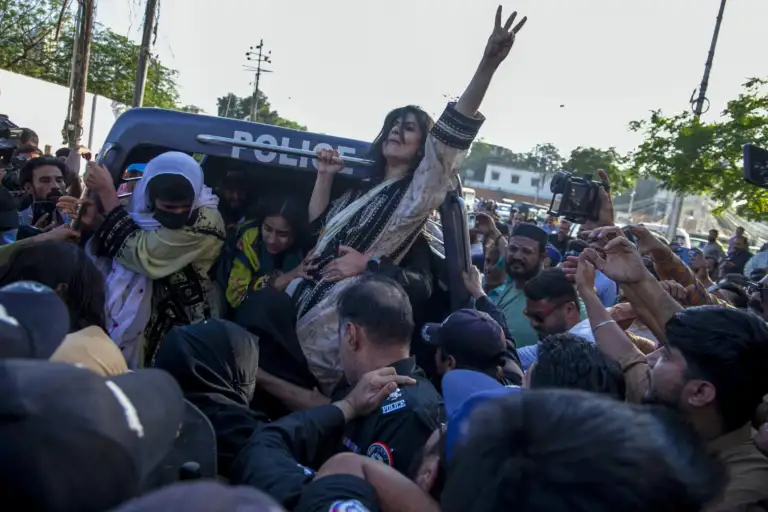
“In Balochistan, to demand dignity is an act of defiance.”
Balochistan today is witnessing one of the harshest crackdowns on civil rights in Pakistan’s modern history. Under the guise of national security, state institutions have waged war on basic human freedoms — freedom of speech, freedom of movement, freedom to mourn, protest, and even grieve. The people are caught in a matrix of fear: those who question disappear. Those who resist are tortured. Those who speak are labeled terrorists. Women, children, and the elderly — no one is spared. Even mourning mothers are monitored, their protests attacked, their pain criminalized. UN human rights experts have voiced their alarm, condemning Pakistan’s use of torture, extrajudicial killings, internment centers, and blanket surveillance. BYC leaders have been added to watchlists, denied the right to travel, and subjected to intimidation. Students have been abducted from classrooms, and young activists have been dragged from courts. The very act of raising a placard or chanting for justice is met with batons, prison, and blacklists. And yet, amid the fear, Balochistan’s people rise — again and again — not just to survive but to remind the world: our lives matter, our voices matter, and our pain must be heard. This is not just a local issue. It is a global human rights crisis. And it demands attention, justice, and international solidarity.